The Finance and Expenditure Select Committee’s recommendations to the Government following its climate adaptation inquiry were released on Monday.
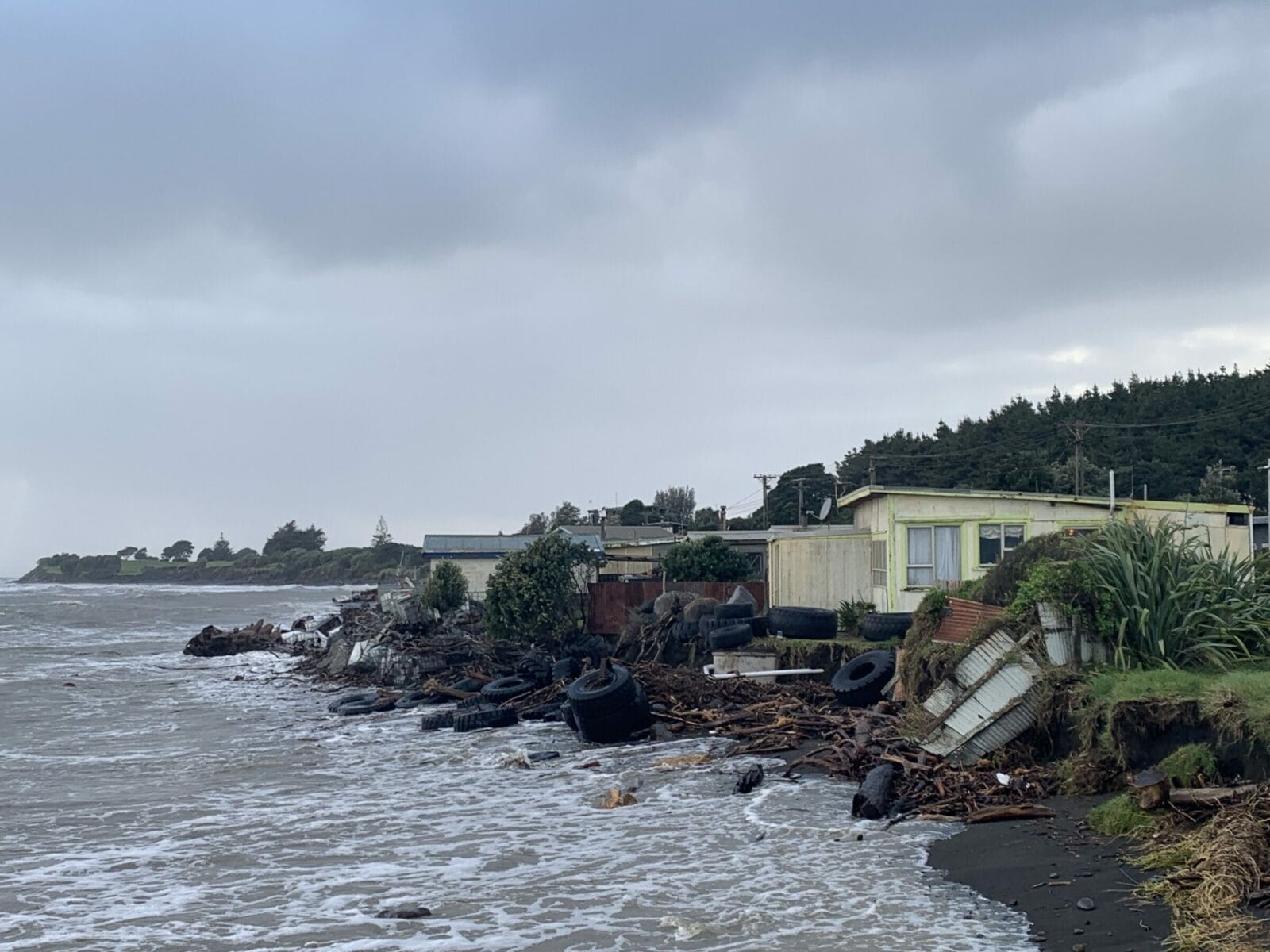
In recent times, Aotearoa has experienced the effects of climate change including in the form of extreme weather events that have caused loss of life and widespread property destruction. Further, approximately 750,000 New Zealanders, and 500,000 buildings worth over $145 billion are near rivers and coastlines that are already exposed to extreme flooding. However, despite the magnitude of the issue, central government guidance on who should be responsible for what in the context of climate adaptation has been limited. Councils across the motu have so far been taking an ad-hoc approach in response to extreme weather events in their districts, with the central question remaining: who pays?
In essence, the Select Committee has recommended to the Government that:
- There be a comprehensive national framework set out in legislation that establishes a clear mandate for local and central government, and resourcing and financing arrangements, as it relates to climate adaptation. The framework should establish a system where all actors (including individuals, insurers, councils and central government) are incentivised and able to act on climate adaptation.
- All decisions about infrastructure, planning, and development must consider climate adaptation.
- There be a lead agency on climate adaptation that can support an all-of-government approach, partner with iwi/Māori, interact with the public and key stakeholders, and have responsibility for reporting on climate adaptation progress and the framework’s performance.
The report also recommends framework objectives and guiding principles for decision-making. Unsurprisingly, as some committee members noted, the recommendations remain “vague” and the answer to the who pays question is still unclear. The report recommends ensuring that funding support to property owners, if any, is predictable, principled, fair, and rules-based and that investment in climate adaptation should be paid for by applying a combination of the following principles:
- beneficiary pays;
- exacerbator pays;
- public pays; and
- ability-to-pay.
Much of what the national adaptation framework will look like in practice remains unclear, including council liabilities and how they are to be managed. We expect councils will welcome the Government’s moves towards providing a national framework, and ultimately further clarity on this issue. However, and particularly in light of the recent weather events in Dunedin, there is some urgency to this issue for councils. Will the recommended legislation come soon enough?
You can access the full report here
If you have any questions regarding natural hazards and climate change, and your council’s roles, responsibilities and powers in this space, please get in touch with our Climate Change Team via: laura.bielby@ricespeir.co.nz