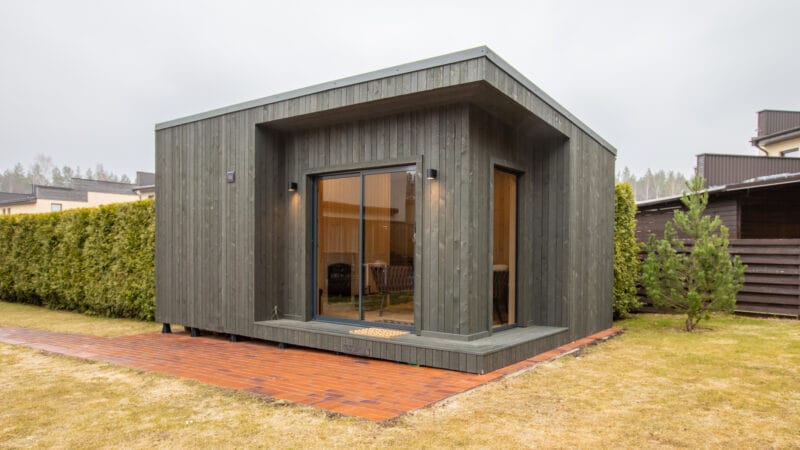
The tiny house movement has well and truly swept the country. It goes without saying that bringing affordable, warm and dry homes to the New Zealand market is a fantastic thing.
However, what often gets overlooked are the issues that these houses create for councils. At a time of unprecedented growth, demand for people and resources, councils are tasked with solving complex compliance issues, persistent owners or suppliers and outdated regulation.
Most of the recent publicity has involved our friends down south, however the North Island isn’t immune from headaches relating to tiny (and some not-so-tiny) houses either. A quick google or Trademe search will get you a suite of tiny house options, wherever you are. Some of these websites have FAQ sections about when and why building consents are necessary but most are silent on the topic.
We are working with a number of councils in determinations, appeals and in general advisory roles. Here are some of the hot topics.
Is it a building or a vehicle?
MBIE has determined this question on a number of occasions but always in a very fact-specific way. The variety of buildings and vehicles out there today mean that this is the first question that needs to be answered. In some cases it is straightforward. If the structure looks like a building and is used as one, then it probably is. However, some structures aren’t quite as clear-cut and this is where the problems arise.
In our view it is time for s 8 of the Building Act to receive a facelift. The definition of a building in the Act is no longer fit for purpose and we are pleased to hear from some of our clients that MBIE is taking notice.
Does it comply with the building code?
This is the question that we hear most. How can a council be satisfied that a building complies with the building code if it was manufactured offsite in a factory somewhere (in New Zealand or, worse, overseas) and without any council involvement? The reality is that a council can’t. One of the key purposes of the Building Act is to ensure people are safe in the buildings where they live. We therefore support councils who stand their ground on this issue. People forget that when something goes wrong, it is the council that usually carries the liability (we can’t forget the leaky building crisis).
Rice Speir is assisting several councils to obtain precedent from the Court on this issue because it is such an important one.
Does the placing of a building on a site need to comply with the building code?
We think it does and the devil, as always, is in the detail. Building work includes work for, or in connection with, the construction of a building. “Construct” is defined as including the relocation of a building. We all know that building work, whether or not a building consent is required, must comply with the building code. Therefore our view is that the placing of a building on the site needs to comply with the building code, including B1.
This is no doubt a controversial issue and we’d love to hear your thoughts about it.
Is MBIE being active enough?
Hopefully our colleagues in Wellington are working on reforms in this area. No one wants to prevent tiny houses, but we need to ensure they are safe and compliant, like any other building.
It is promising to hear from several sources that MBIE is aware that the time has come to modernise our regulations and provide some better resources for councils in this area. We believe that MBIE could also assist by providing more guidance in their determinations, because councils are looking for more general principles and direction from the Ministry.
The RMA perspective
In addition to the raft of potential Building Act issues, there are also RMA considerations associated with the placement of tiny houses and, in our experience, these are often overlooked by tiny house suppliers.
The important thing to note is that, in addition to any building consent requirements, tiny houses may also require resource consent. This will depend on their compliance or otherwise with the rules and standards in the relevant district plan. Common RMA issues encountered by tiny houses relate to breaches of the height in relation to boundary, density, setback and outdoor living standards.
Takeaway points
The tiny house movement will continue to grow and we can expect more media attention on this issue in the months ahead as more determinations arise and are appealed. We are pleased to be working with several councils in this area, trying to get a solid Court precedent that can be built into council policies and information sheets so that ratepayers are better informed about what they can and cannot do without building consent.
If you have a question about a tiny house, we’ve probably been asked it already so feel free to pick up the phone.