Paper Roads, Public Trusts, and Long‑Term Infrastructure: What Ours Not Mines v Hauraki District Council Means for Local Government
The Court of Appeal’s decision in Ours Not Mines Ltd v Hauraki District Council [2026] NZCA 138 is one of the most important local government roading cases in recent years. Although it arose out of a contentious mining proposal in the Coromandel, the judgment has wide‑ranging implications for councils across New Zealand, particularly those grappling with the use of unformed or “paper” roads to accommodate infrastructure, utilities, and development pressures.
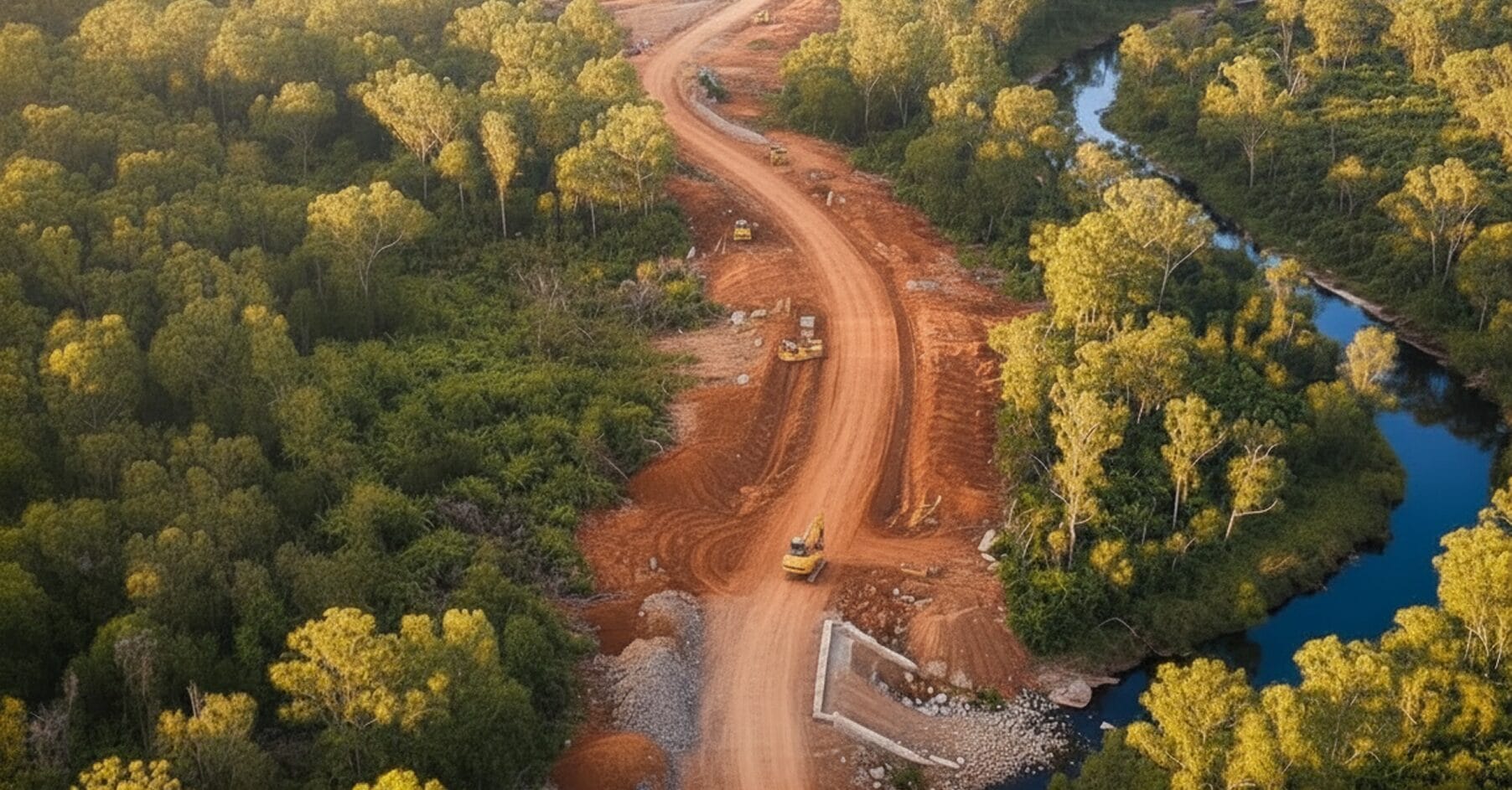
At its core, the case concerned a decision by the Hauraki District Council to grant Oceana Gold a 40‑year licence over part of an unformed road within the Wharekirauponga Forest. The licence allowed for the construction and long‑term operation of underground mine ventilation and escape shafts. The road was remote, heavily vegetated, seldom used, and it ran through land otherwise held for conservation purposes. An environmental group, Ours Not Mines, sought the Council’s decision to grant this licence to be judicially reviewed. While the High Court upheld the Council’s decision, the Court of Appeal took a very different view and declared the licence unlawful.
The starting point for the Court’s reasoning is important. It confirmed that:
- Councils, as landowners, do have the common law authority to grant licences over the roads they own, including for private or commercial purposes.
- The Local Government Act 1974 is not a complete code, and councils are not limited to expressly listed statutory roading powers.
This confirmation matters because licensing over road reserves is an everyday feature of local government practice, whether for grazing, street dining, scaffolding, or utilities works. Although the Court did not suggest that these long‑standing practices are improper or unlawful.
However, the judgment makes clear that these powers exist within strict limits. Roads are not just parcels of land. They are held on trust for a specific public purpose: facilitating the public right to pass and repass. That public trust fundamentally qualifies the way councils may exercise landowner rights. The Court reiterated that, at law, an unformed or rarely used road, carries the same public right of passage as a busy urban street. Physical condition, remoteness, and frequency of use do not diminish that legal status.
Against that background, the central question became whether the licence authorised an “appreciable interference” with the public right of passage, amounting to a public nuisance. The Court accepted that context matters when assessing interference. What was decisive in this case was the scale and duration of the proposed occupation. The licence permitted large, engineered, semi‑permanent structures, fenced off from public access, for a period of 40-years. At various points, up to one‑third of the road width would be unavailable for public use. Although a pedestrian margin technically remained, the practical effect was that substantial parts of the road would be removed from public use for a significant period of time.
The Court drew a sharp distinction between temporary or minor intrusions that form part of the everyday road use, and long‑term occupation that fundamentally alters the character and availability of the road. Forty years, the Court said, cannot sensibly be described as temporary. The fact that the road was unformed, remote, or rarely used could not justify licensing away significant portions of it for that length of time. In those circumstances, the licence crossed the threshold of appreciable interference and unlawfully authorised a public nuisance. The Council therefore acted outside its powers.
Why does this matter beyond Coromandel mining? Because unformed roads are increasingly under pressure nationwide. Councils are being asked to accommodate water and wastewater assets, climate resilience works, energy infrastructure, and access arrangements that avoid more complex consent regimes, particularly on otherwise unused land. This decision makes it clear that paper roads cannot be treated as a convenient workaround and long‑term infrastructure occupation cannot be regularised simply by calling it a licence.
The Court also pointed to the lawful alternatives open to councils. If a road is genuinely no longer required for public passage, the appropriate course is to formally stop it, with the statutory process and oversight that entails such as under the Local Government Act 1974 or the Public Works Act 1981. Licensing is not a substitute for those processes, and using it as such exposes councils to significant legal risk.
The implications also extend to water services reform and legacy infrastructure. Many networks run through roads without easements, particularly in rural and edge‑of‑park contexts. This decision reinforces that legal status matters more than historical convenience, and that assumptions based on low levels of public use may no longer be safe.
Ultimately, Ours Not Mines is not an anti‑infrastructure judgment. Rather, it is a firm reminder that roads, whether formed or not, are enduring public assets held in trust. Councils are stewards of those assets, not general owners free to licence them away for long‑term private occupation. As infrastructure demands intensify, this case will shape how councils navigate the line between facilitating development and discharging their fundamental public trust obligations.
If you would like to discuss how this decision affects your council’s road, infrastructure or water arrangements, please get in touch with Cori or the Rice Speir property team.