For those who have been involved in the process of valuing a reserve, whether for disposal or exchange, you will appreciate the challenge often faced. How do you value a reserve, whether it be open space for passive recreation or developed with a playground or sports field, that services the community and has been set apart for a public purpose? Does such an asset have a value when it is being held on trust for limited purposes? The divergent approaches to the ‘art’ of valuation methodology can bring to mind the saying “what is one person’s trash, is another’s treasure”; and emphasizes the natural tension between the acquirer and the disposer.
Well, the recent case of Attorney-General v Auckland Council [2024] NZHC 3740 revolves around this and the assessment of compensation under the Public Works Act 1981 (PWA) for the acquisition of land subject to the Reserves Act 1977 (Reserves Act).
The High Court was asked to determine the appropriate valuation methodology used by the Crown and Auckland Council for the acquisition of part of two reserves.
The legal issues in this case centre on the appropriate approach to valuing land acquired for a public work under sections 60 and 62 of the PWA. The Crown argued that the valuation should take into account the restrictions imposed by the Reserves Act, determining the land’s market value with reference to these limitations while also considering the chance of removing these restrictions. Conversely, Auckland Council contended that the land should be valued at its highest and best use, assuming the reserve status had been or would be revoked, with the costs of this revocation and rezoning deducted from this valuation.
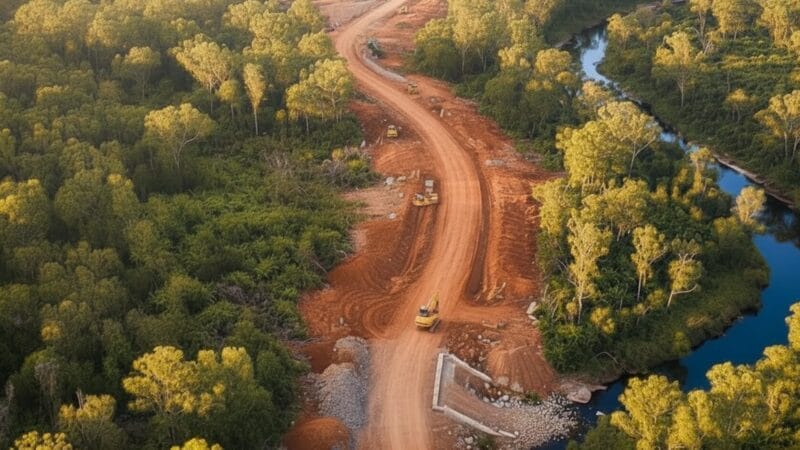
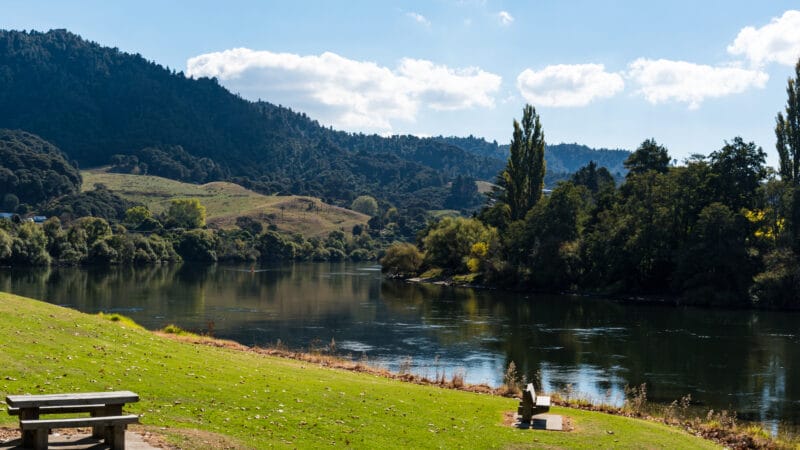
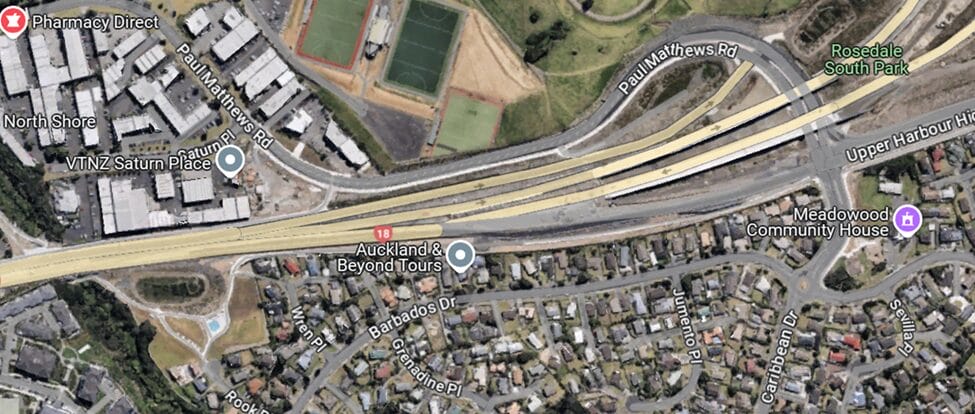
The dispute arose from Auckland’s Northern Corridor Improvements Project, which required portions of Constellation Reserve and Rook Reserve to be acquired and used for roading improvements. As is the process under the PWA, the Crown and Auckland Council obtained their respective valuations for these lands, however the methodologies used by the two valuers differed, and ultimately so to the value and compensation payable under the PWA. The Crown’s valuation was significantly lower than that of Auckland Council’s, by some $12.5 million, primarily due to differing views on valuation methodologies to set market value. The parties decided on a pragmatic approach to resolving the difference, in seeking the court to consider their respective positions and make a declaration on the appropriate methodology.
Justice Jagose delivered the judgment, focusing on the statutory context and the principles and purpose of compensation under the PWA. The court emphasized the principle of “full compensation” under the PWA, which aims to put the dispossessed owner (in this case Auckland Council) in a position as close as possible to its original state. This principle requires considering the land’s market value, including its potential and its limitations. Ultimately, the court’s decision sided more with the Crown’s approach, stating that the land’s market value should be assessed with all existing restrictions ie: those imposed on a reserve under the Reserves Act and planning restrictions. However, it should also account for “the chance (if any)” of removing these restrictions and using the land for its highest and best use.
The case highlights the complexities of land valuations for public works and the importance of statutory interpretation and appropriate valuation methodologies are understood and effected in ensuring fair compensation. The court’s decision underscores the need to balance restrictions with potential future uses in determining the market value of acquired land.