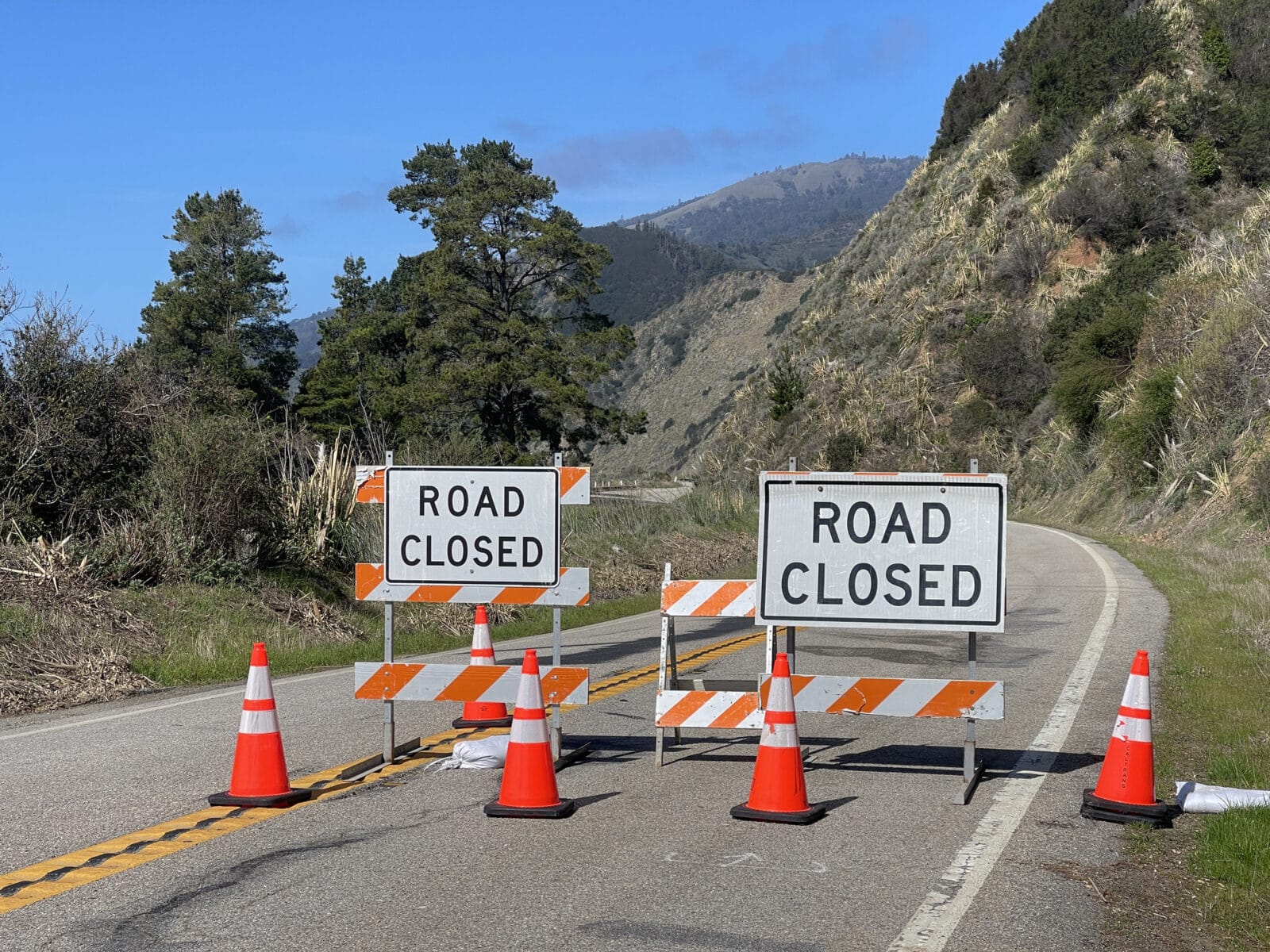
As the song goes, there is a season for everything, and lately at Rice Speir it seems like we’re in the season of road stopping. From advice on implementation, disputes and drafting new precedent templates, we’re seeing common challenges emerge. We thought it was an opportune time to set out the key legal pathways and share practical tips to help councils get it right.
What is road stopping?
Road stopping is how legal roads (formed or unformed/paper road) are changed to fee simple land so they can be held, sold, or used for another public purpose. In Aotearoa New Zealand, councils typically use one of two statutory pathways:
- Local Government Act 1974 (LGA) – s 342 and Schedule 10 (publicly notified council process, with potential referral to the Environment Court).
- Public Works Act 1981 (PWA) – s 116 (Minister declares a road stopped by Gazette notice, subject to pre‑conditions and consents).
Rice Speir regularly advises on road stoppings as part of our property, local government and public law expertise, and it is a vital tool available to councils when optimising land.
The two pathways – when and why
LGA s 342 & Schedule 10 (the council‑led public process)
- What it is – council prepares a plan and explanation, lodges it with the Chief Surveyor (LINZ), opens it for inspection, publicly notifies twice (at least seven days apart), and allows a minimum 40‑day objection period. Signs must be fixed at each end of the road.
- Objections – if objections are received and not allowed, they must be referred to the Environment Court, which confirms, modifies or reverses the decision. If confirmed (or if there are no objections), council may declare the road stopped by public notice. The stoppage only takes effect when recorded by the Chief Surveyor.
- Special rural constraint – council cannot proceed to stop a road in a rural area without the prior consent of the Minister of Lands.
PWA s 116 (Minister’s Gazette route)
- What it is – the Minister may declare a road stopped by Gazette notice where adequate road access remains or all adjoining owners consent in writing, and the territorial authority (or NZTA for state highways) has consented.
- When councils use it – often chosen where consents can be secured up‑front (eg, swaps/realignments, low‑risk boundary tidies), noting LINZ practice requirements for legalisation surveys and Gazette steps.
Rule of thumb – if consents can be secured and access preserved, the PWA can be faster. Where a robust public process is required (or consents are uncertain), the LGA route is often the safer play.
When drafting road stopping agreements, it is sensible to allow for both processes – PWA first, and if that fails, moving to the LGA process. This avoids delays and unnecessary costs.
After the stopping – dealing with the land
- S 117 PWA – if a road is stopped under the PWA, s 117(1) lets a territorial authority deal with the land as if it were stopped under the LGA (ie, use LGA s 345 disposal powers). For stopped Government roads or State highways, the land is dealt with as land “no longer required for a public work.”
- S 345 LGA – LGA s 345 sets out disposal options, including sale to the adjoining owner(s) at valuation, leasing, applying the land to council purposes, or transfer to the Crown, with power to require amalgamation with the adjoining title.
- Water margins – schedule 10 requires plans to show any esplanade reserve that will vest under s 345(3), and a district plan may vary the default 20 m width (including switching off s 345(3)) via RMA s 77.
Top challenges for councils
- Procedural missteps – defects in Schedule 10 procedure, such as missing plan lodgement, signage at road ends, incorrect timing of notices, or a shortened objection period, are fertile ground for challenge. A pre‑notice checklist and proof of publication and signage help councils avoid these risks.
- Objections & the public interest – where objections are made, the Environment Court considers the district plan, the plan of the road to be stopped, council’s explanation (LGA Sch 10 cl 1), and the objections themselves. Frame the public interest case early by pointing to connectivity, alternative access, network resilience, and consistency with strategic plans.
- Adjoining owner access & consents – under the PWA, adequate access must remain or written consents from all affected adjoining owners are required. Without this, the PWA route fails. Early agreement with adjoining owners reduces disputes and delays.
- Utilities & environmental issues – road corridors often contain telecommunications, power, gas, water or wastewater assets. Identify these early, secure easements in gross if required, and consult service authorities. Where the road adjoins the coast, lakes or rivers, consider esplanade reserve obligations and district plan rules that may vary the default 20 m width.
- Mana whenua engagement – while not always mandated by statute, LINZ guidance emphasises culturally appropriate engagement. Early kōrero with mana whenua supports partnership obligations and reduces risk of later challenge.
- Costs and public perception – applicants should expect to meet survey, valuation, LINZ and legal costs, and to pay market value. Most council policies require this, but it is important to manage expectations upfront, particularly around the perceptions of ‘privatising’ public assets.
- Legalisation survey & Gazette mechanics – the stoppage only “goes live” when the Chief Surveyor records it (LGA Sch 10 cl 9–10) or when the Gazette notice issues (PWA). Make sure your cadastral survey dataset is legalisation‑ready.
A practical checklist for councils
- Early scoping – Confirm the roads status and control (territorial authority vs NZTA), whether urban/rural, and if any esplanade implications.
- Choose the pathway:
- PWA first if all consents are secured, and access remains adequate.
- LGA if public process is desirable or consents are uncertain.
- Utilities due diligence – map assets; line up easements in gross.
- Engage mana whenua – align with council partnership frameworks; document feedback.
- Prepare the plan & explanation (LGA) – lodge with Chief Surveyor; QC your notices, signage, and dates.
- Handle objections – log, assess and if unresolved, refer to the Environment Court.
- Legalisation survey & recording – ensure the SO plan and record steps are executed so the stoppage takes effect.
- Disposal – apply LGA s 345 and be alert to PWA s 117 nuances.
FAQs
Should we get agreement upfront?
Yes, always. Whether under the LGA or the PWA process, a clear agreement at the outset protects all parties and manages expectations around timing, outcome and costs.
Do we have to create a 20 m esplanade reserve when stopping a coastal road?
Not always. District plan rules under RMA s 77 can vary the width or disapply LGA s 345(3) in some circumstances. Check your plan and policy settings first.
If we stop a road under the PWA, do “offer‑back” obligations apply?
For roads stopped under PWA where the land is then dealt with by a territorial authority, s 117(1) allows disposal under LGA s 345. For Government roads/State highways, s 117(2) applies the “land no longer required for a public work” pathway. Context matters, it is important to get specific advice.
Can we recover our costs if an applicant pulls out?
Yes. Most council policies require the applicant to meet actual costs regardless of outcome, some even require upfront deposits. Build this into the agreement along with clarity on responsibility for each step.
Need help?
Handled well, road stopping can unlock value and reduce risk for councils. Our team regularly scopes, documents and delivers road stoppings under both the LGA and PWA, including objection strategy, Environmental Court referrals, and disposal. Get in touch with our team with any queries you may have.