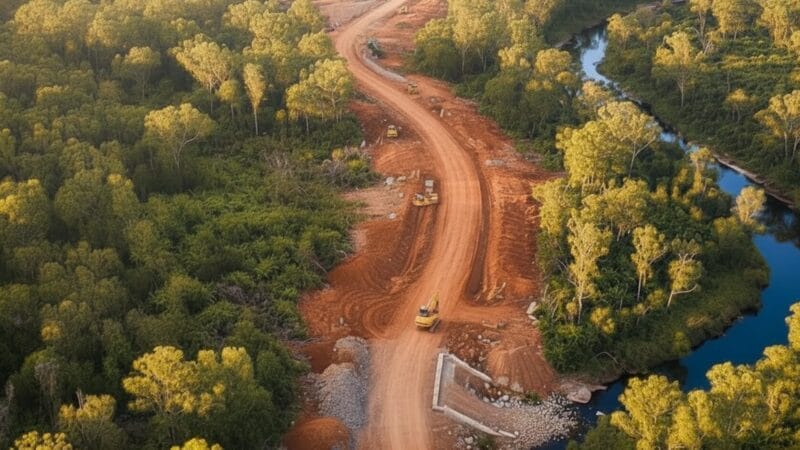
As we move out of Level 4 lockdown this week, the nation’s focus will now turn to supporting the speedy recovery of our economy and industries. Large-scale infrastructure projects will play a key role in this by creating jobs and stimulating local economies.
On 1 April, the Government announced it was looking for “shovel-ready” infrastructure projects to potentially fund as part of a stimulus package. Projects needed to meet a number of criteria including that they:
- would have a public or regional benefit;
- would create jobs; and
- were construction ready now, or could realistically be construction ready within 6 – 12 months.
It is understood the funding package will be in addition to the Government’s $12 billion New Zealand Upgrade Programme and existing Provincial Growth Fund infrastructure investments, although the actual size of the fund is yet unclear.
Councils and other organisations around the country were quick to submit their wish-lists. 1800 projects, collectively worth tens of billions of dollars, were submitted in response to the Government’s call before applications for the fund closed on 14 April.
The applications will now be considered by a newly established Infrastructure Industry Reference Group, made up of various industry leaders including NZTA chair Sir Brian Roche, KiwiRail chief executive Greg Miller, Crown Infrastructure Partners chair Mark Binns and Infrastructure Commission chair Alan Bollard.
The Group will assess the proposals against the criteria above and prepare a recommendations report for Ministers to consider in the first half of May.
Fast tracked consents process
Construction projects that already have resource consent may be able to hit the ground running (with additional health and safety measures in place) as early as in Level 3. However the same cannot be said for those projects sitting somewhere in the consenting pipeline.
In fact, further delays in the consenting process may be expected given the current Covid-19-related restrictions on councils’ usual consenting functions (such as holding in-person hearings).
With this in mind, the Government has also announced it is developing options around how resource consenting processes for certain infrastructure and development projects could be fast tracked once New Zealand moves into the recovery phase from Covid-19. Hon David Parker has said he does not want standard RMA consenting processes (which have posed a barrier to major construction projects in the past) to constrain the pace of recovery, with his goals being to “help create a pipeline of projects…so people can get back into work as fast as possible” and “to give certainty to investors.”
To date, no further information has been made available on what the fast track consent process might look like, but the Government will need to strike a careful (and difficult) balance between maintaining a degree of public participation and environmental protection, both of which are normally safeguarded by the legislative process, and getting new projects off the ground efficiently.
Watch this space.